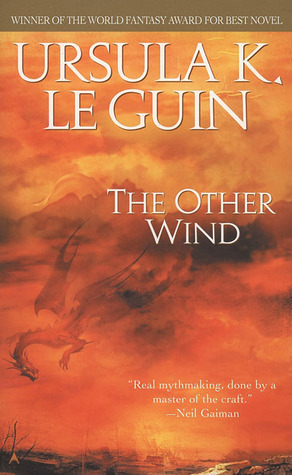
The Other Wind
by Ursula K. Le Guin
In this final volume of Ursula K. Le Guin's Earthsea Cycle, the humble sorcerer Alder is tormented by dreams of the wall separating the living from the Dry Land of the dead, where his deceased wife and other spirits beg to be freed, setting off a quest involving the former Archmage Ged, his wife Tenar, and their scarred adopted daughter Tehanu that ultimately unravels the very nature of death and rebalances the world. The book features Tehanu, a girl who was horrifically burned and disfigured by abusive adults before the story began and who is revealed to have dragon heritage, as a central figure whose transformation drives the plot, alongside a Kargish princess whose different culture and language initially make her misunderstood by the Hardic-speaking court. Thematically, the novel explores mortality and the afterlife, cross-cultural understanding and prejudice between the Kargish and Hardic peoples, healing from trauma and disability, and the restoration of balance between humans and dragons. It offers a thoughtful, philosophical conclusion to the series that deals maturely with grief, death, and reconciliation.
Quick Theme Summary
Tap a theme to see details
Theme Presence Analysis
Theme indicators show observable presence levels only. They do not represent endorsement, recommendations, or value judgments. Hover over themes with notes for additional context.
Quick Theme Summary
Click a theme to see details
Frequency Guide
Help Us Improve
Notice something outdated or missing? Let us know so we can keep our analysis accurate.
About This Analysis
This information is provided for transparency purposes only. Final reading decisions rest with parents and caregivers.